01
Read The Soil First
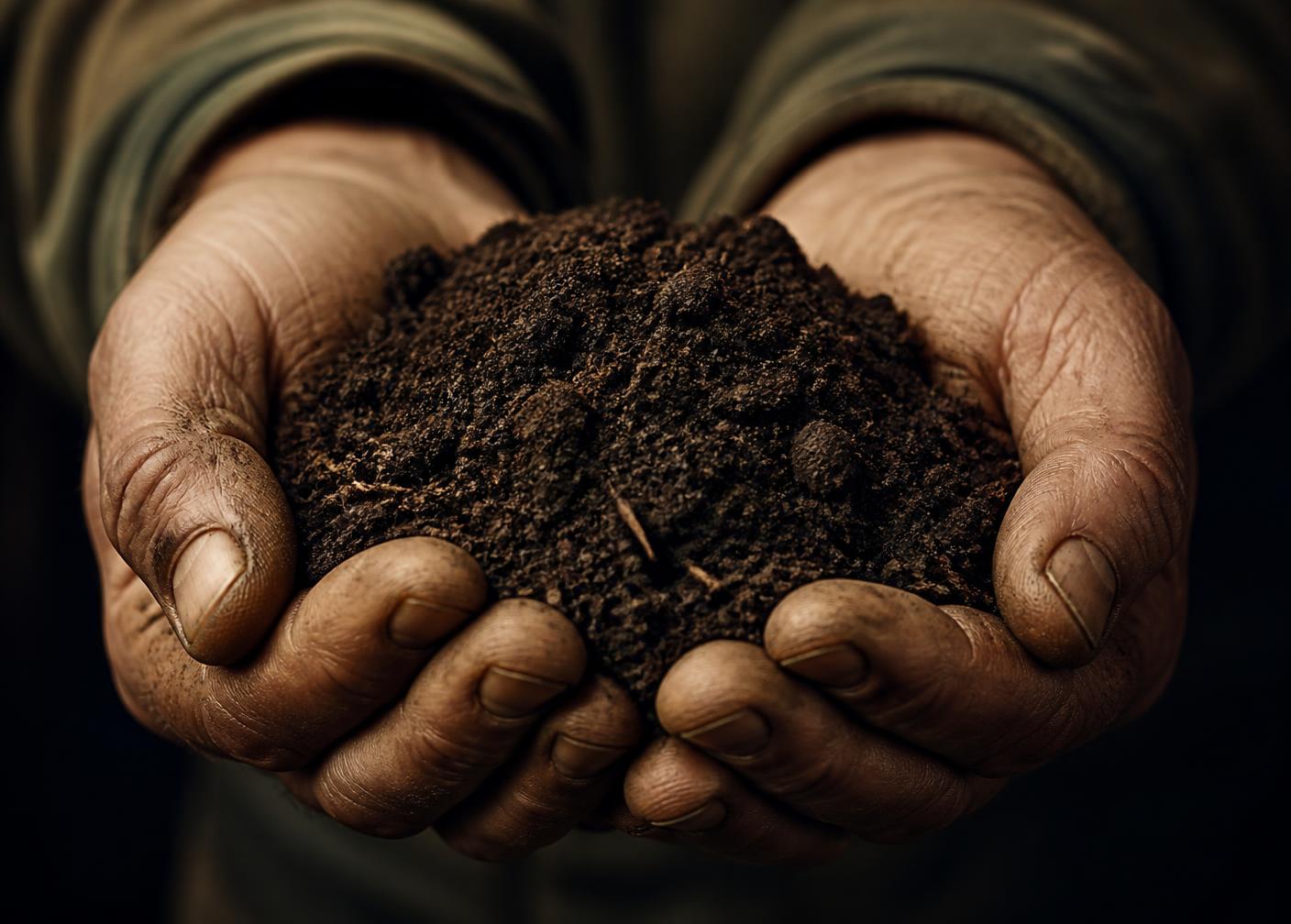
Texture, colour, moisture-holding and how it crumbles in the hand tell you more in five minutes than any assumption. A lab test then confirms pH and nutrient status.
Knowledge Hub
A practical guide to seasons, soil and plant nutrition — written for the fields around Gubbi and Tumkur, in plain language.
01 — Seasons
Every season asks something different of the land. This is the rhythm most farms in our region work to.
| Season | Window | Focus | Typical crops | What matters |
|---|---|---|---|---|
| Kharif | June — October | Monsoon sowing | Ragi, maize, groundnut, pulses | Field drainage and early-stage nutrition matter most once the rains settle in. |
| Rabi | October — February | Residual moisture | Jowar, bengal gram, sunflower | Sow on conserved moisture and plan a lighter, well-timed feeding schedule. |
| Summer | February — May | Irrigated plots | Vegetables, fodder, horticulture | Mulching and split nutrition reduce stress during peak heat weeks. |
| Year-round | All seasons | Soil building | Coconut, arecanut, mango | Perennials reward steady organic matter and annual soil correction. |
02 — Soil
Texture, colour, moisture-holding and how it crumbles in the hand tell you more in five minutes than any assumption. A lab test then confirms pH and nutrient status.

Farmyard manure, compost and green manure crops improve structure, water retention and microbial life. Fertilizer works far better in soil that is already alive.
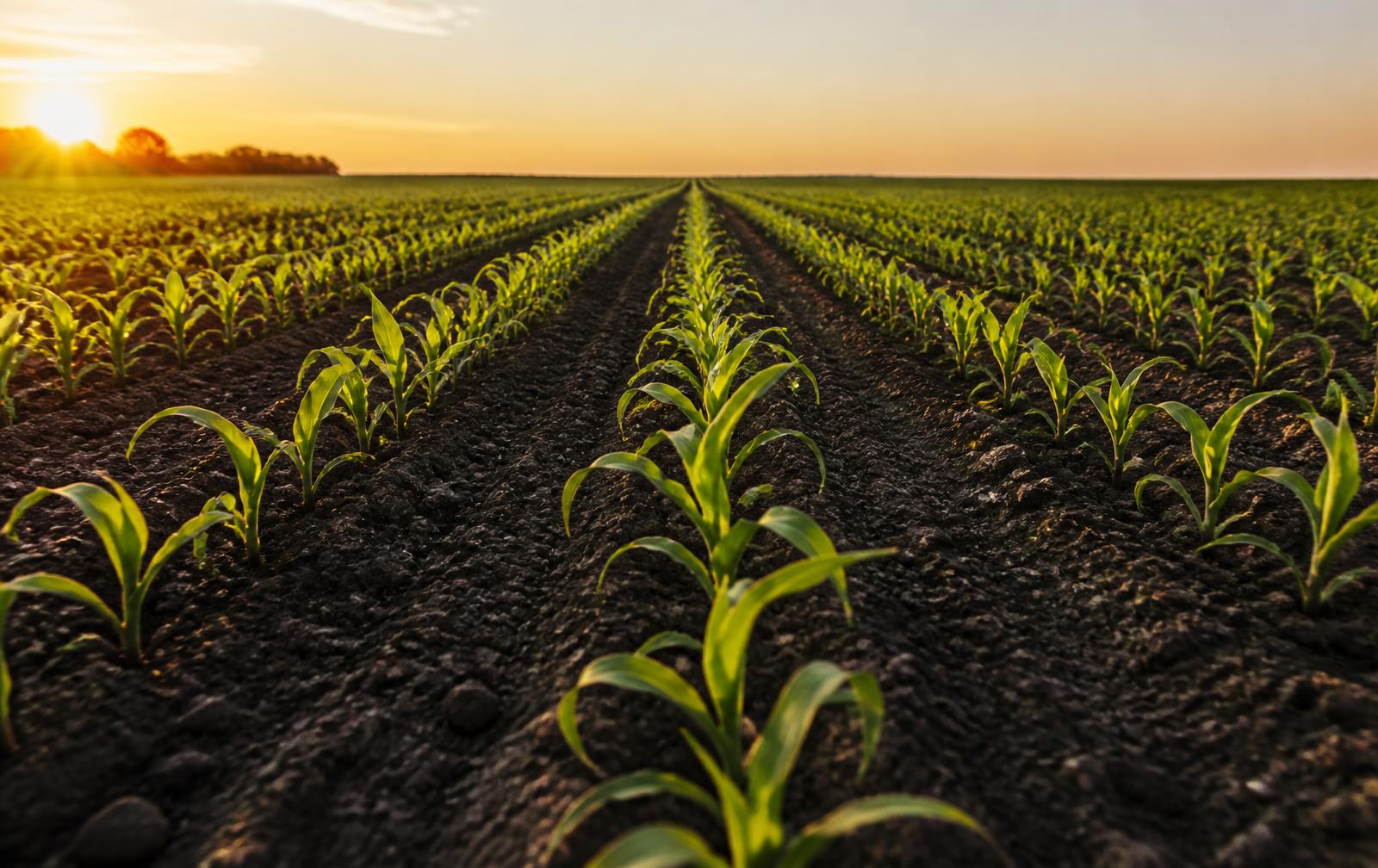
Split applications matched to the crop's growth stage waste less, leach less and give steadier growth than one heavy dose at sowing.

Note what was applied, when, and what the crop did. Two or three seasons of simple records turn guesswork into a plan for your specific field.
03 — Nutrition
Drives green growth and tillering. Best applied in splits: too much at once pushes soft growth that struggles later in the season.
Pale, yellowing older leaves signal a shortfall.
Supports root development, early establishment and flowering. Most useful placed near the root zone at sowing time.
Stunted plants with dull purple tints on older leaves.
Improves stem strength, water regulation and grain or fruit filling. It is what carries a crop through stress weeks.
Scorched, brown leaf margins from the tip inward.
Zinc, boron, iron and sulphur work in small quantities but decide quality. Correct them only after a soil or leaf reading.
Narrow leaves, poor setting or uneven ripening.
General guidance only. Quantities and products should always be decided against your own soil reading, crop and local conditions — talk to us before changing a schedule.
04 — Questions
The questions farmers bring to us most often, answered without jargon.
05 — Words
Have a question or want to know more? We'd love to hear from you.